
OnStar Rhea
Reimagining OnStar as a standalone safety platform designed for everyone, anywhere, beyond vehicle boundaries.
1. Context
OnStar has long been associated with safety inside the vehicle. It shows up in critical moments like crashes or breakdowns, when people need help fast. That role is trusted, but it is also something most people rarely think about. In fact, most users never actively use OnStar and hope they never have to, because using it usually means something has already gone wrong.
That creates a distance between the product and the user. OnStar is valuable, but only in edge cases, which makes it feel invisible in everyday life.
Safety, however, does not start when someone gets into a car. It shows up in everyday situations like walking home at night, traveling in a new city, or coordinating with family. At the same time, the tools people use for safety are spread across different apps that do not connect. Each one solves a small problem, but none reflect how people actually move through their day.
The result is a fragmented experience where safety exists, but does not feel consistent or present.
2. Problem
Most safety systems are designed for specific moments, but people experience risk throughout their day. OnStar is still closely tied to the vehicle, which leaves a gap outside of that context.
To fill that gap, people rely on a mix of tools and services. This puts the responsibility on them to decide what to use and when. That approach breaks down in moments of stress, when attention is low and quick decisions are harder to make.
There is also a deeper issue. The product is designed around moments people want to avoid entirely. If the only time a user engages with a system is during an emergency, it never has the chance to build a real relationship or ongoing trust.
The issue is not a lack of features. It is that systems expect people to take action at the exact moment they are least able to, while offering little value the rest of the time.
3. Opportunity
People do not want to manage their safety. They want to feel like it is handled.
Safety is less about features and more about trust. People want to know that if something goes wrong, they are not on their own. But that trust is fragile. Many technology platforms offer safety-related features, yet often undermine confidence through unclear data practices or misuse of personal information.
This creates a gap in the market. People need support, but they are cautious about who they rely on.
OnStar is in a unique position to bridge that gap. It already has real-world infrastructure and human support built for high-stakes situations. Unlike many platforms, it has a history tied to actual outcomes, not just digital features.
The opportunity is to extend that trust into everyday life and create a system that people rely on before something goes wrong, not just after.
4. Vision
OnStar Rhea is a standalone safety platform designed to support people wherever they are. It shifts safety from something users manage to something the system helps handle.
At the center is a single safety identity that connects a person across devices, services, and environments. This allows OnStar to move beyond the vehicle and become a consistent layer that supports users throughout their day.
The goal is simple. Reduce the number of decisions people need to make and increase their confidence in situations where they might otherwise feel uncertain.
Safety Concepts
Universal Login
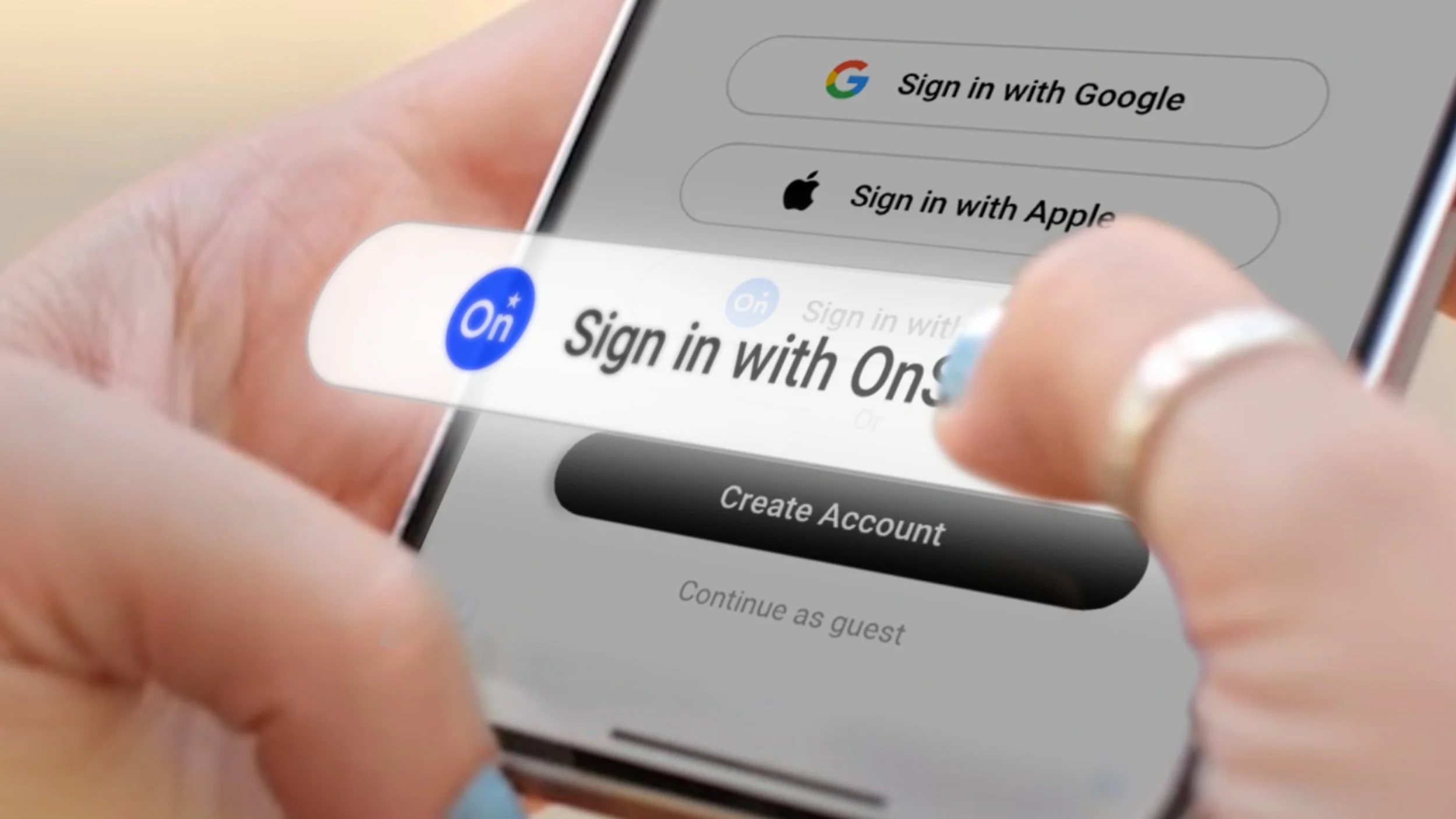
Establishes OnStar as a trusted identity layer across platforms. Instead of creating new accounts or repeating verification steps, users can carry their safety credentials into other services, reducing friction while maintaining protection.
Global ID
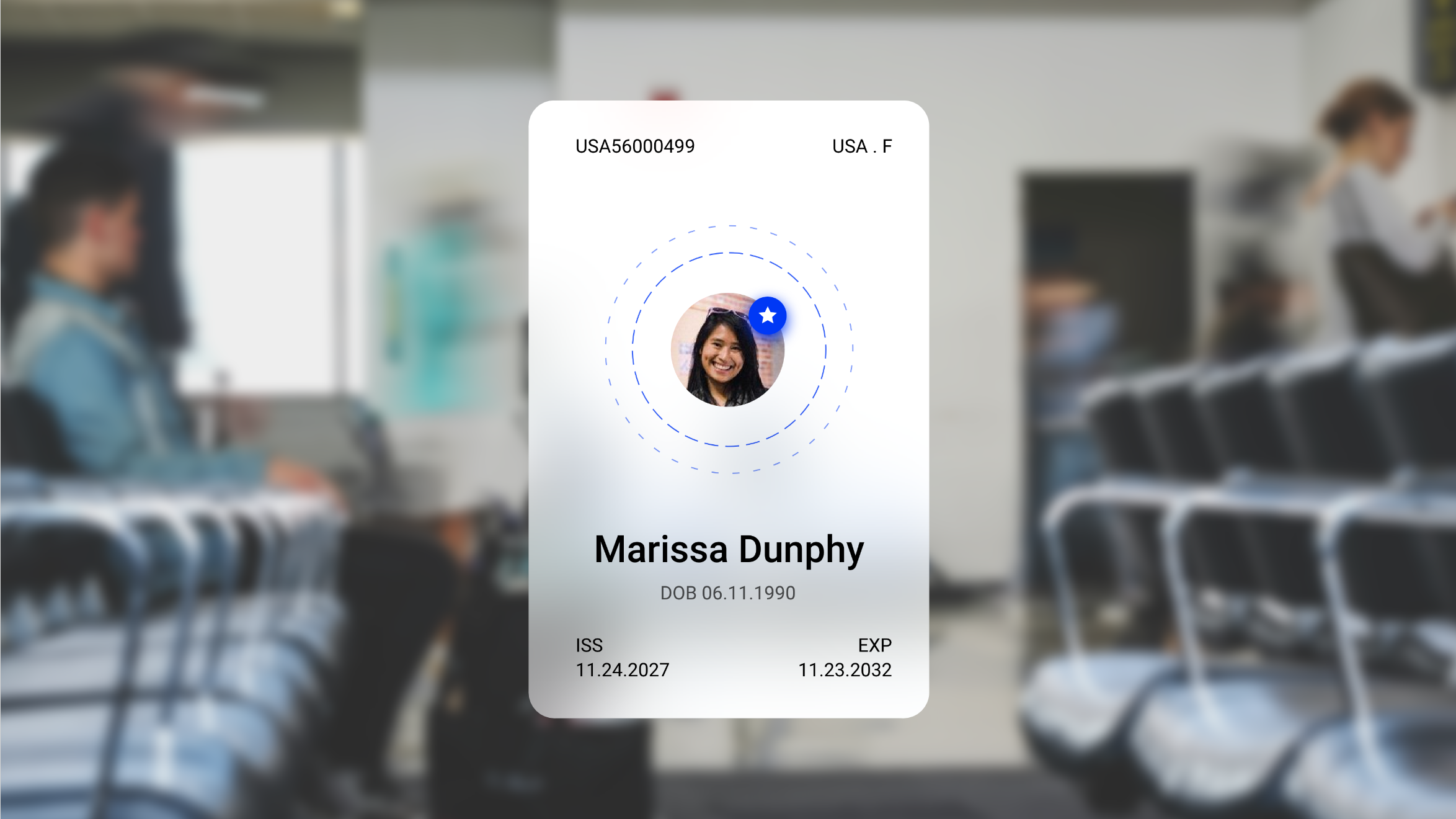
Builds on this by creating a secure, portable identity that can be used in both digital and physical environments. From travel checkpoints to mobility services, it simplifies interactions that typically require validation while reinforcing trust.
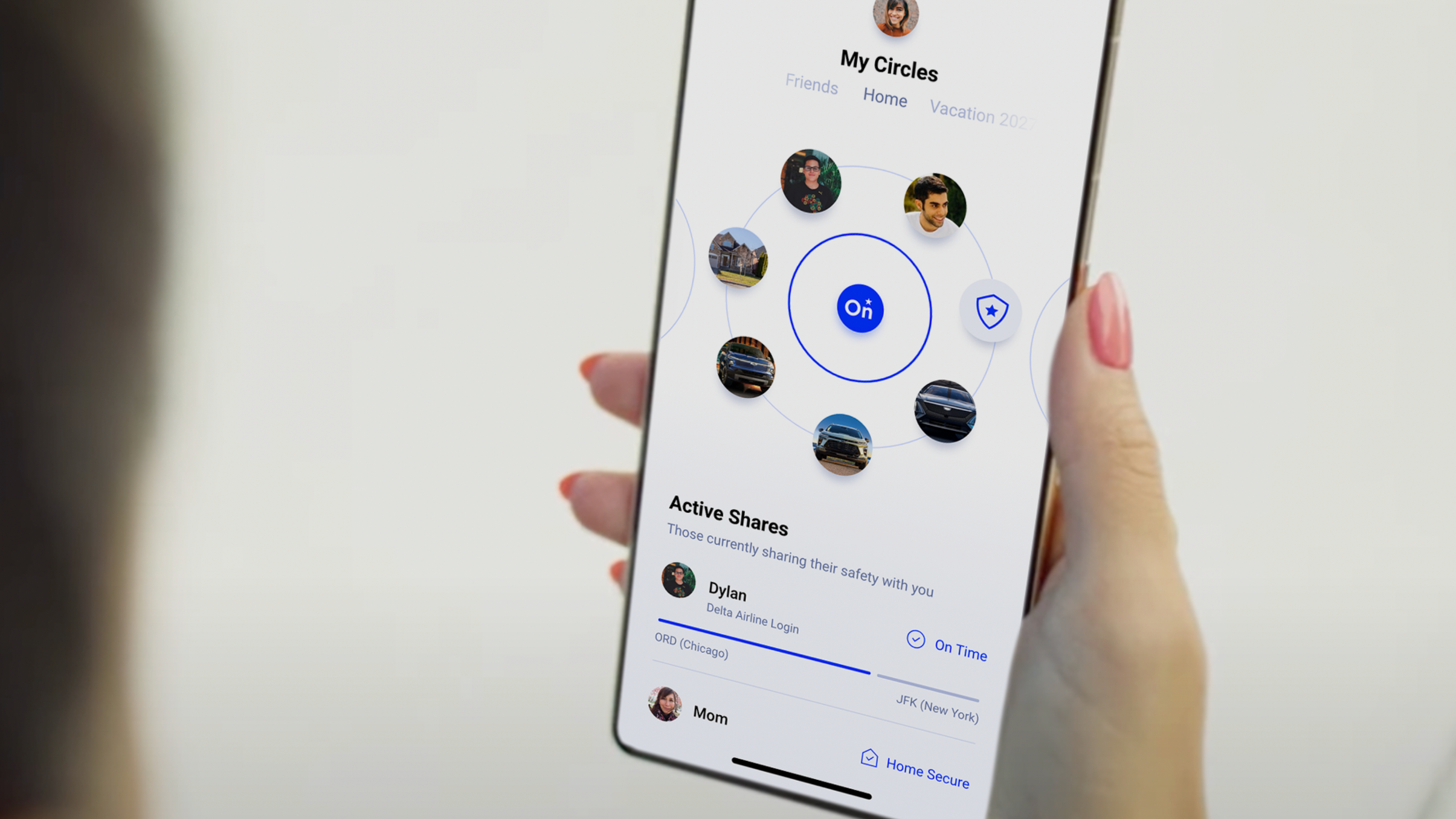
OnStar Circle
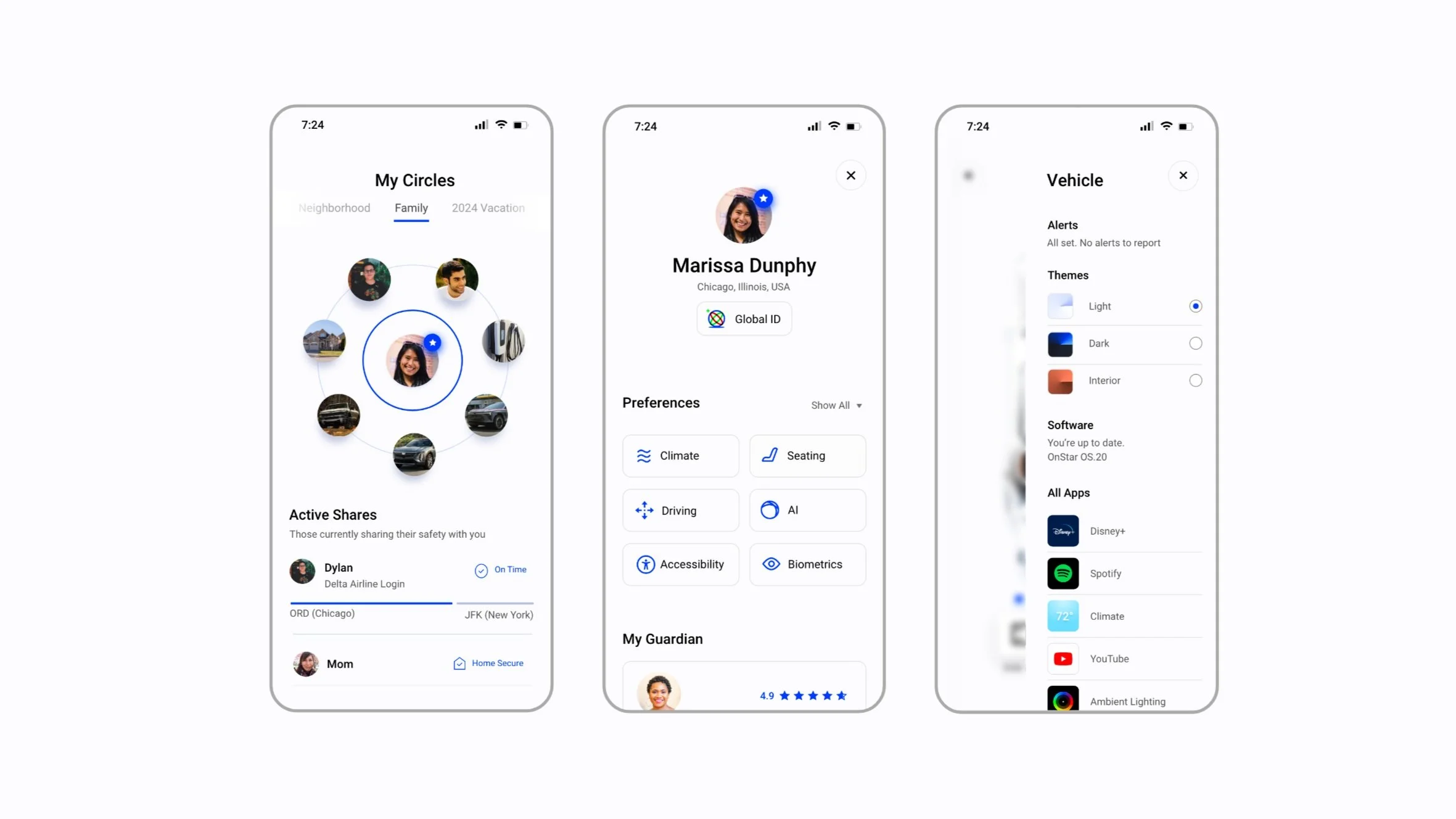
Reframes how people stay connected. Rather than manually sharing location, users can create contextual groups that reflect real-life situations. This allows for a shared sense of awareness without constant interaction, helping people feel connected without feeling monitored.
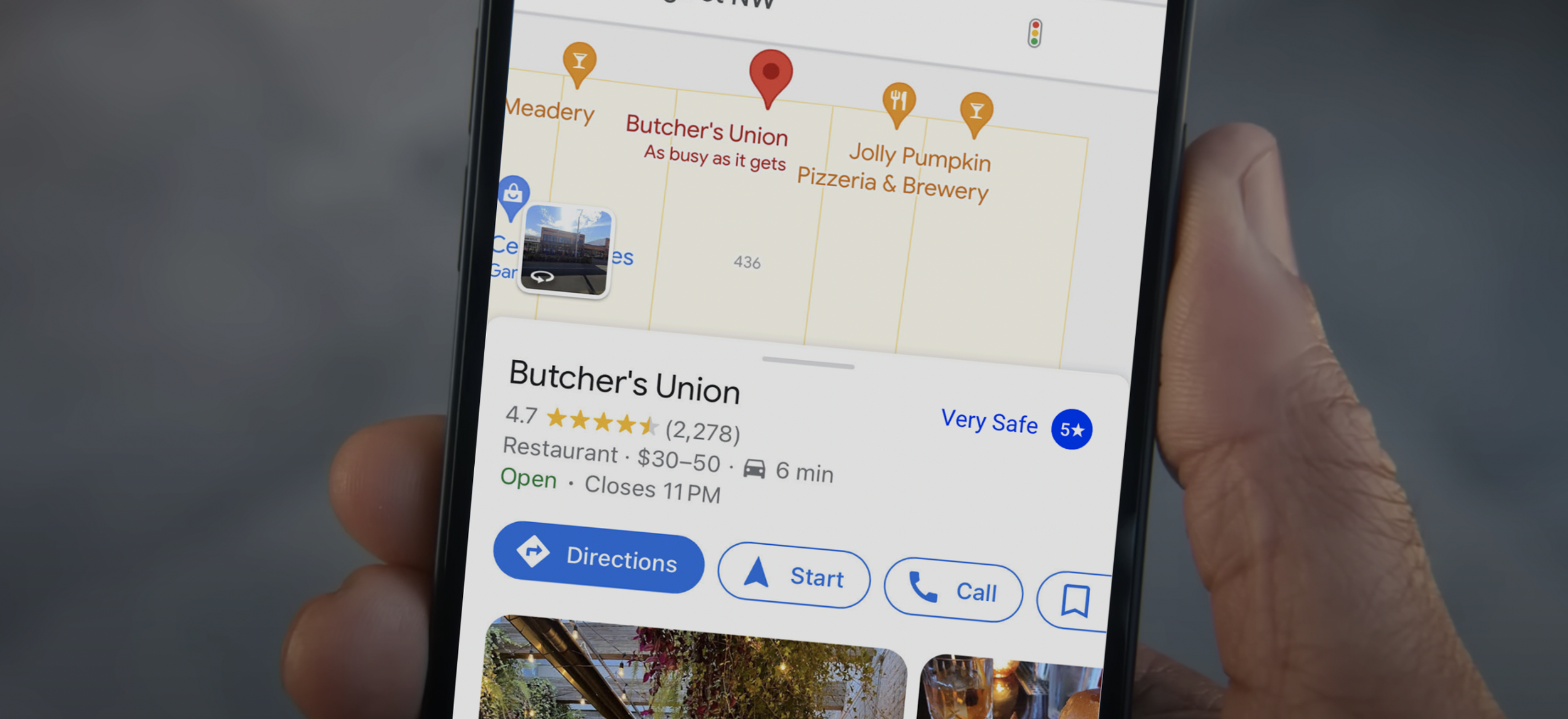
Safety as a Service
Introduces a broader layer of environmental awareness. By incorporating community-informed signals, users can better understand the safety of places they visit, with the ability to filter information based on what matters most to them.
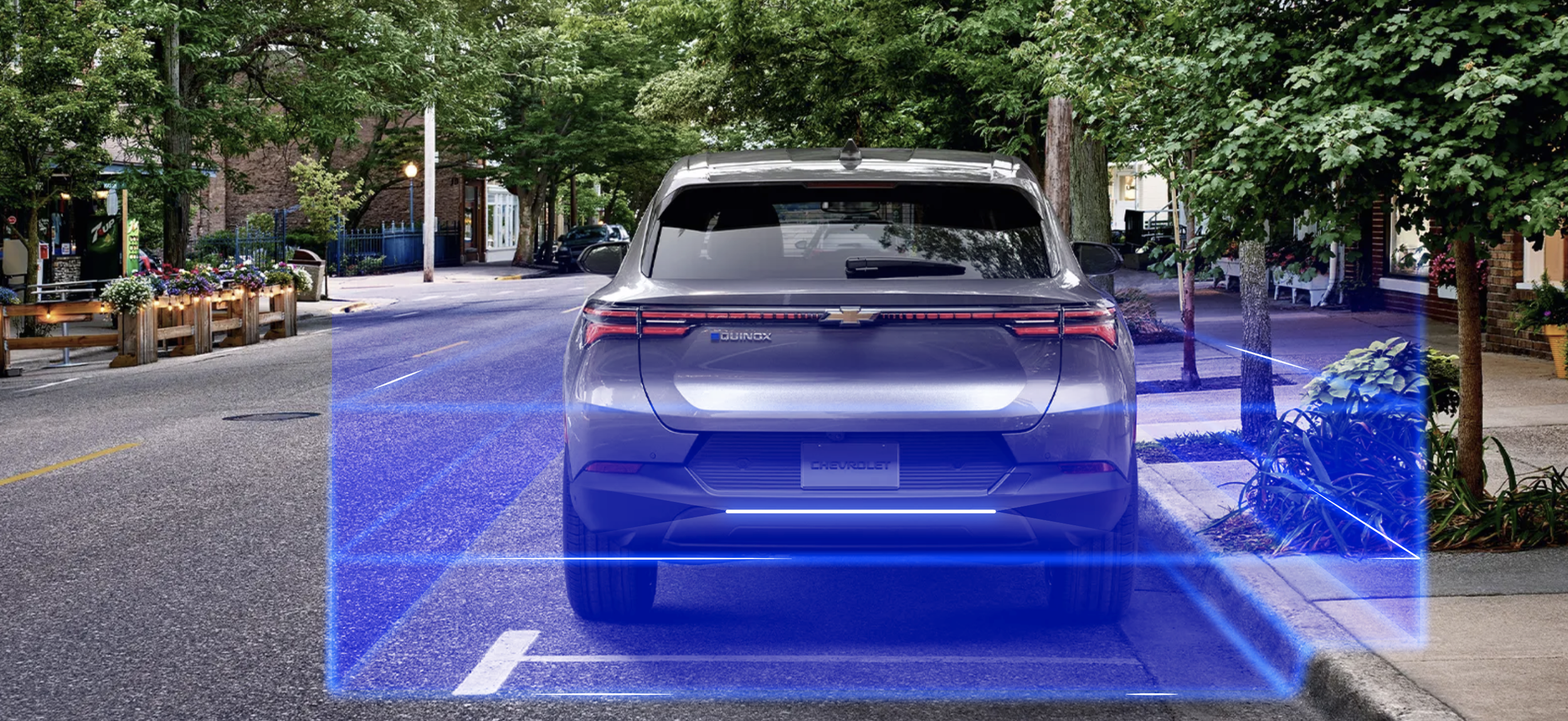
Vehicle Halo
extends protection into the physical world. The vehicle becomes an active participant in the safety system, capable of detecting threats, preventing unauthorized access, and responding in real time when something feels off.
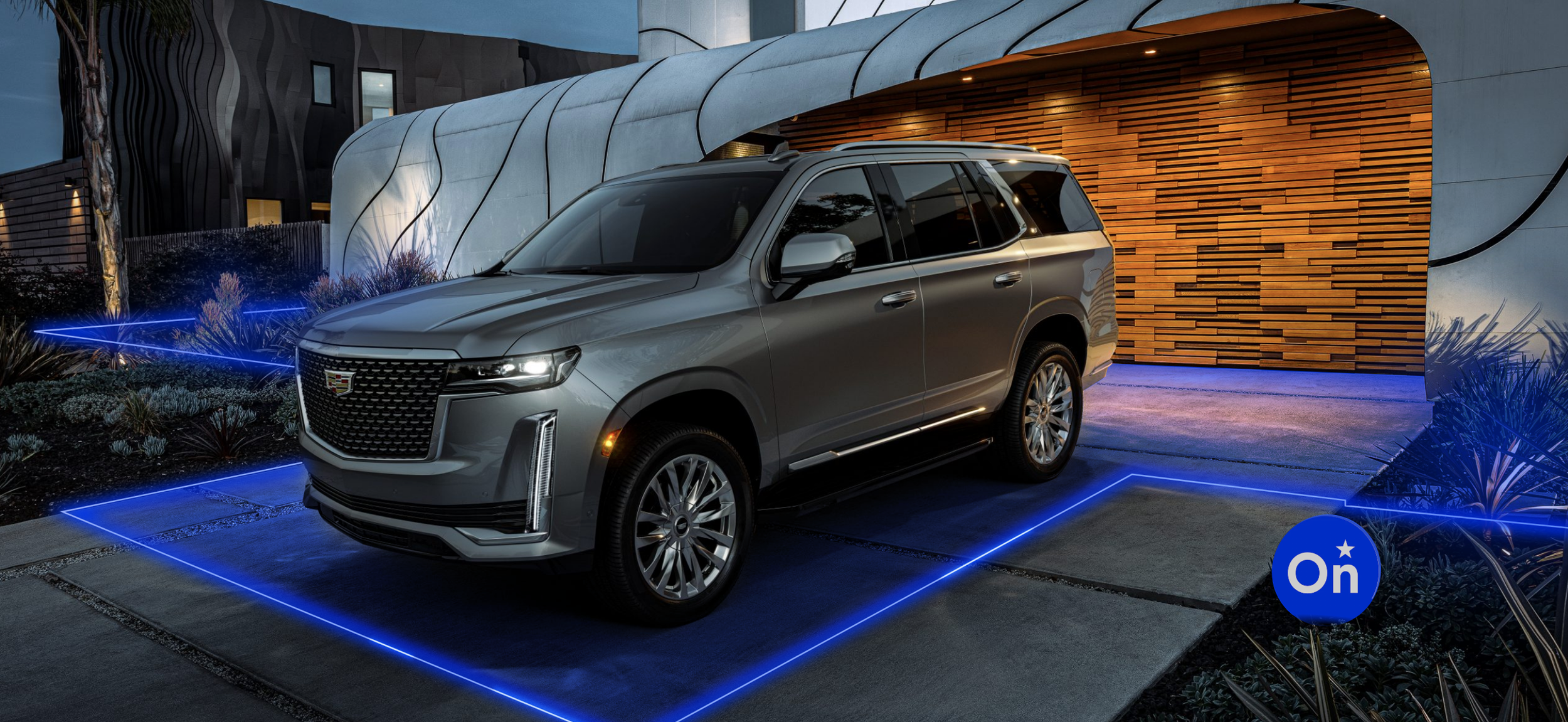
Connected Community
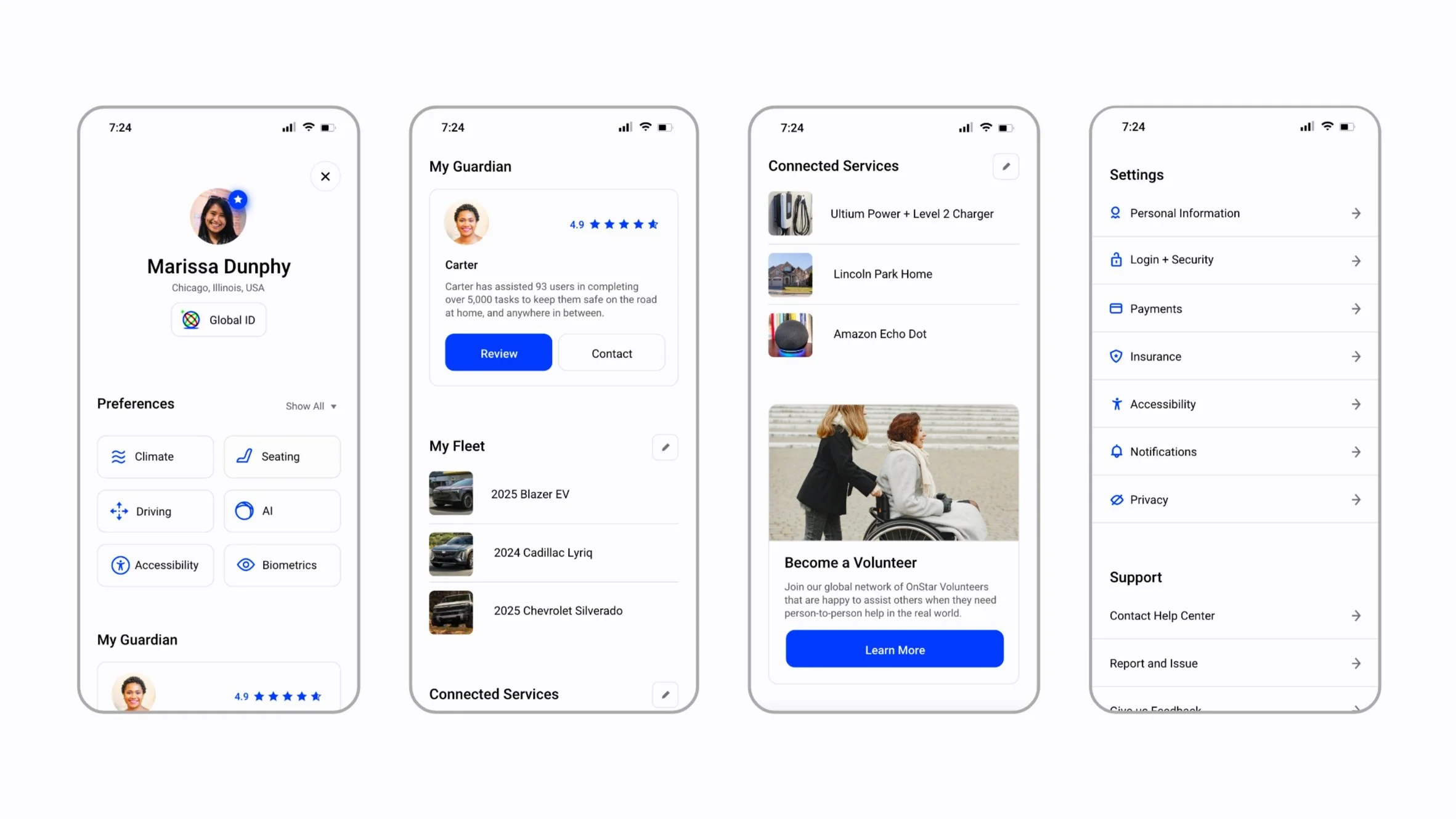
Expands this idea further by linking homes, vehicles, and neighborhoods. Safety becomes a shared responsibility, allowing people to feel supported even when they are not physically present.
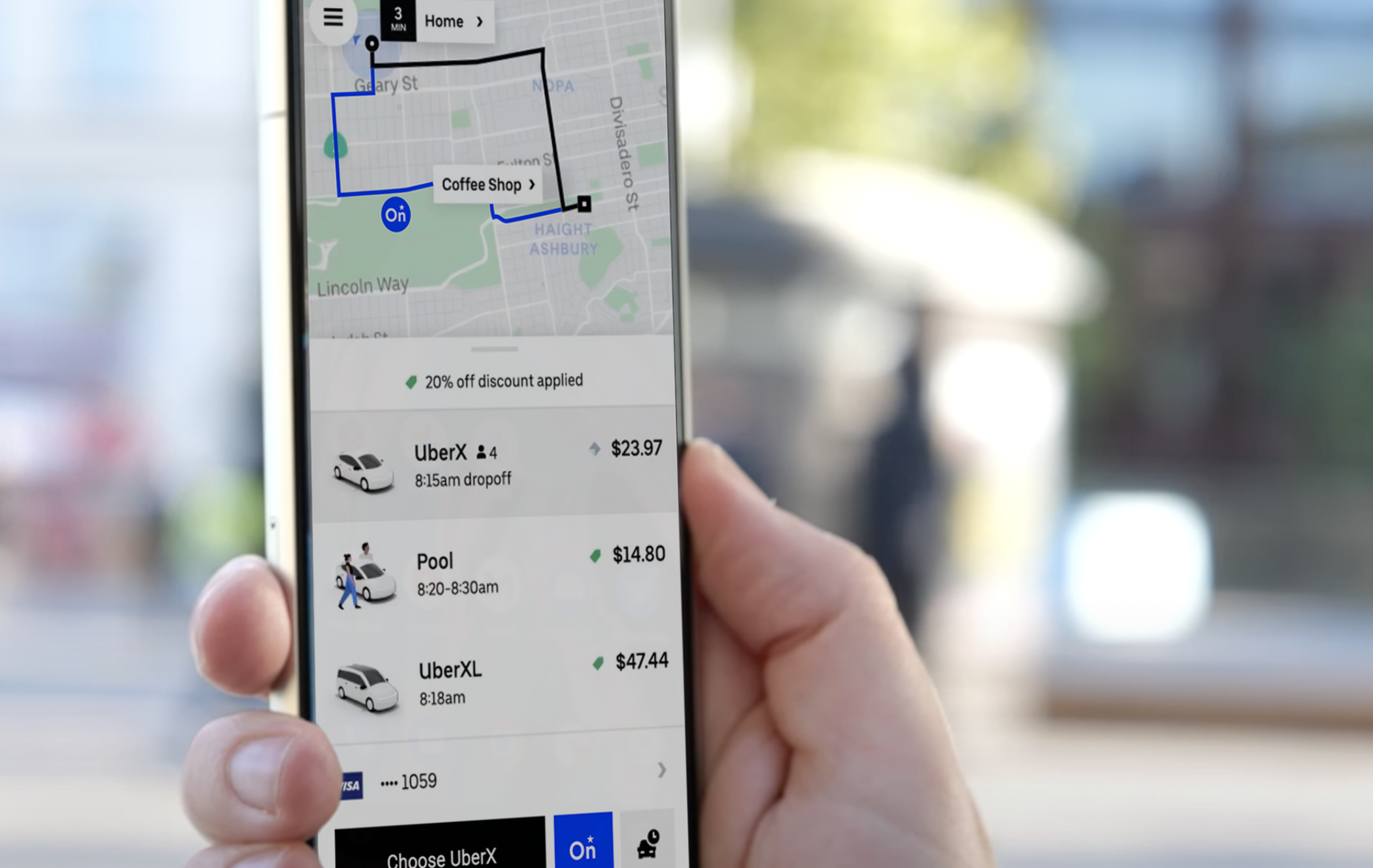
Safe Routes
Helps users navigate the world with greater confidence by factoring in real-time conditions, environmental risks, and personal preferences. Instead of simply finding the fastest path, the system prioritizes the safest one.
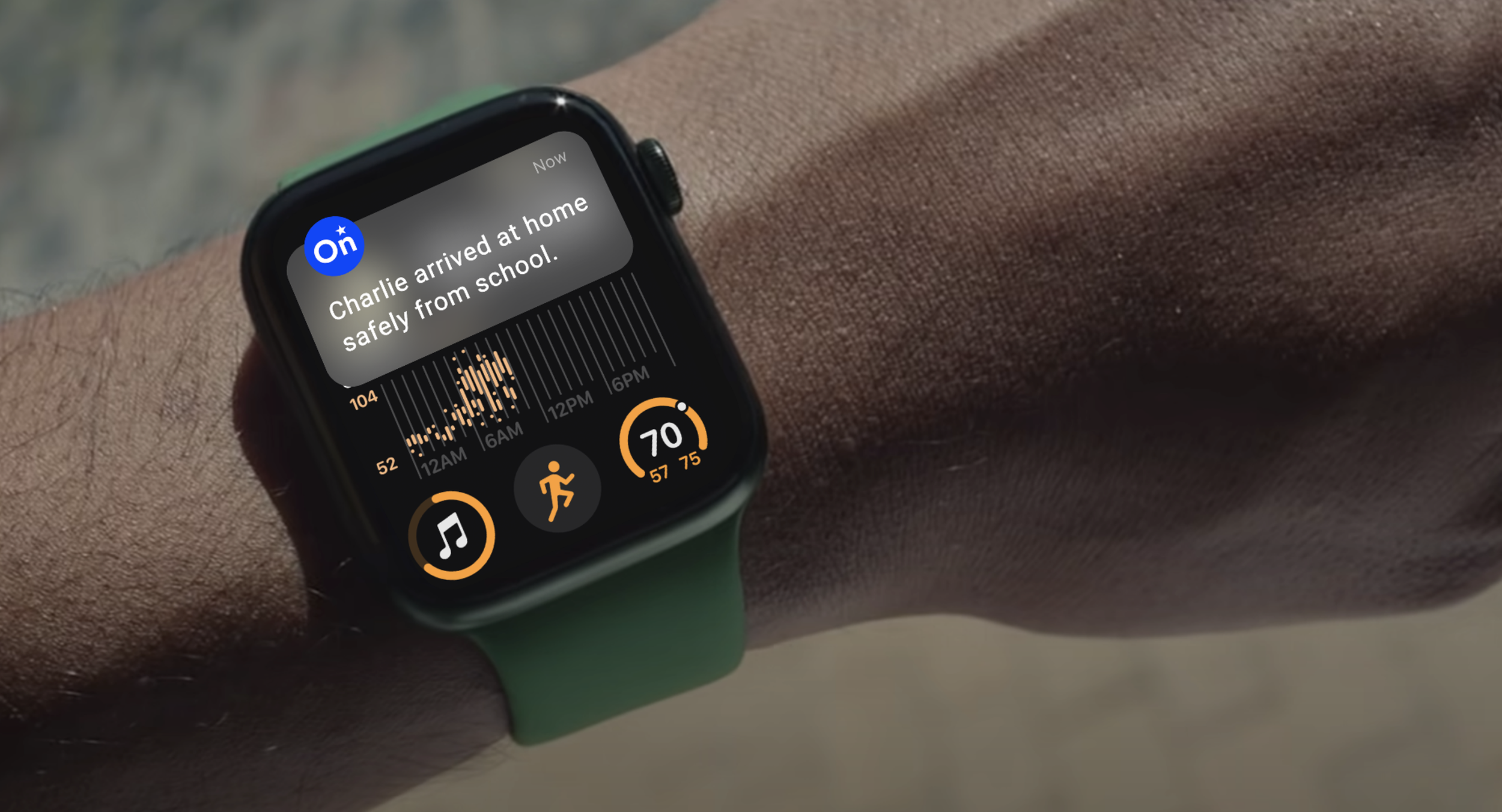
Low-Interaction Notifications
Focus on delivering clarity without noise. Rather than overwhelming users with alerts, the system surfaces key moments and simple signals that help them stay informed without requiring constant attention.
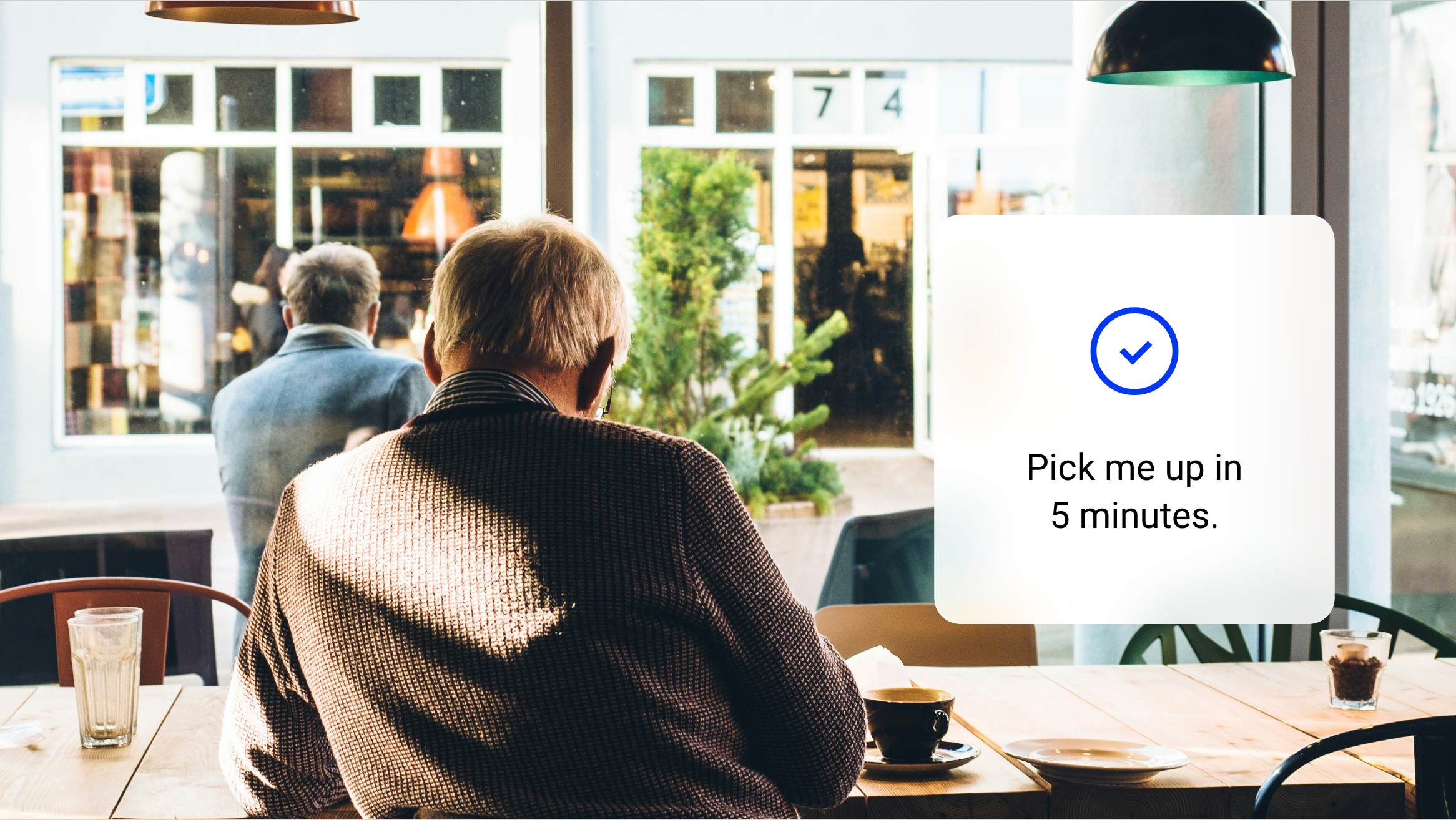
Control Over Autonomy
ensures that as systems become more autonomous, users remain in control of intent. Whether sending a vehicle on an errand or coordinating with others, the system acts safely while keeping the user informed.
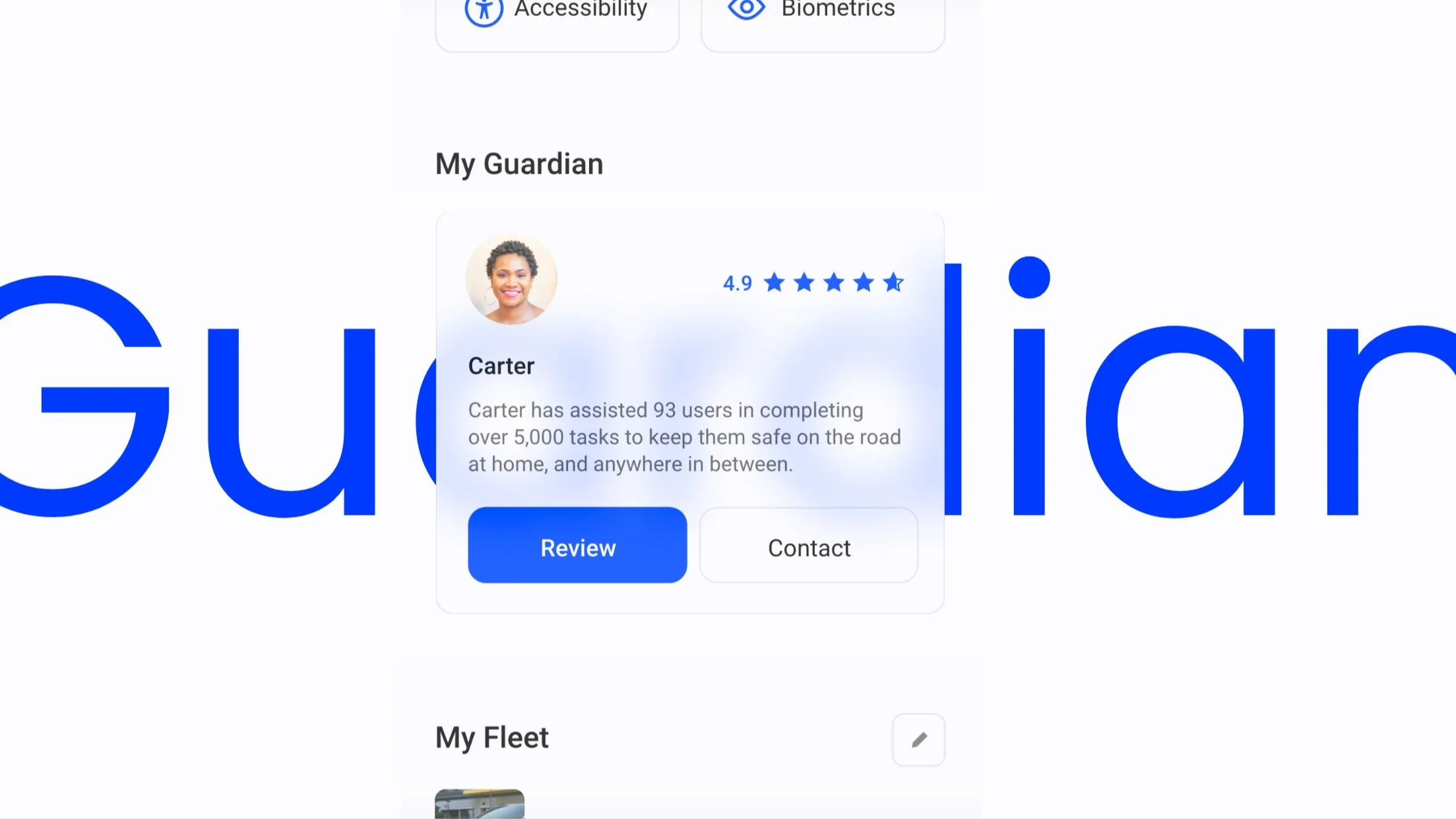
OnStar Guardian
Brings together automation and human support. AI enables the system to detect patterns and respond at scale, while human advisors provide judgment and intervention when situations require a higher level of care.
Outcome
Rhea repositions OnStar as a continuous safety system that people can rely on throughout their daily lives. It reduces the number of decisions users need to make in uncertain situations and creates a stronger sense of confidence in unfamiliar environments.
More importantly, it shifts safety from something people actively manage to something that supports them in the background. The result is not just a better product, but a more trusted relationship between people and the technology designed to protect them.